
I have been struggling with writer’s block lately so I thought I’d try something different. Inspired by Andy Warhol – and armed with Photoshop – I decided to tell some conservation stories while simultaneously being a bit creative. Continue reading

I have been struggling with writer’s block lately so I thought I’d try something different. Inspired by Andy Warhol – and armed with Photoshop – I decided to tell some conservation stories while simultaneously being a bit creative. Continue reading
There are many metaphors that use running a marathon or climbing a mountain to describe the process of ecological research. This post will not have any. No, this post will ignore linguistic devices and will shine the spotlight on behavioural psychology instead. Continue reading
As a PhD student, I spend my days trying to do good ecological research; as are thousands of other aspiring ecologists around the world. Good work, however, is useless unless others know about it. Prospective employers, potential collaborators and other researchers must recognize my effort for it to be valuable, because unread research is obviously worthless. Continue reading
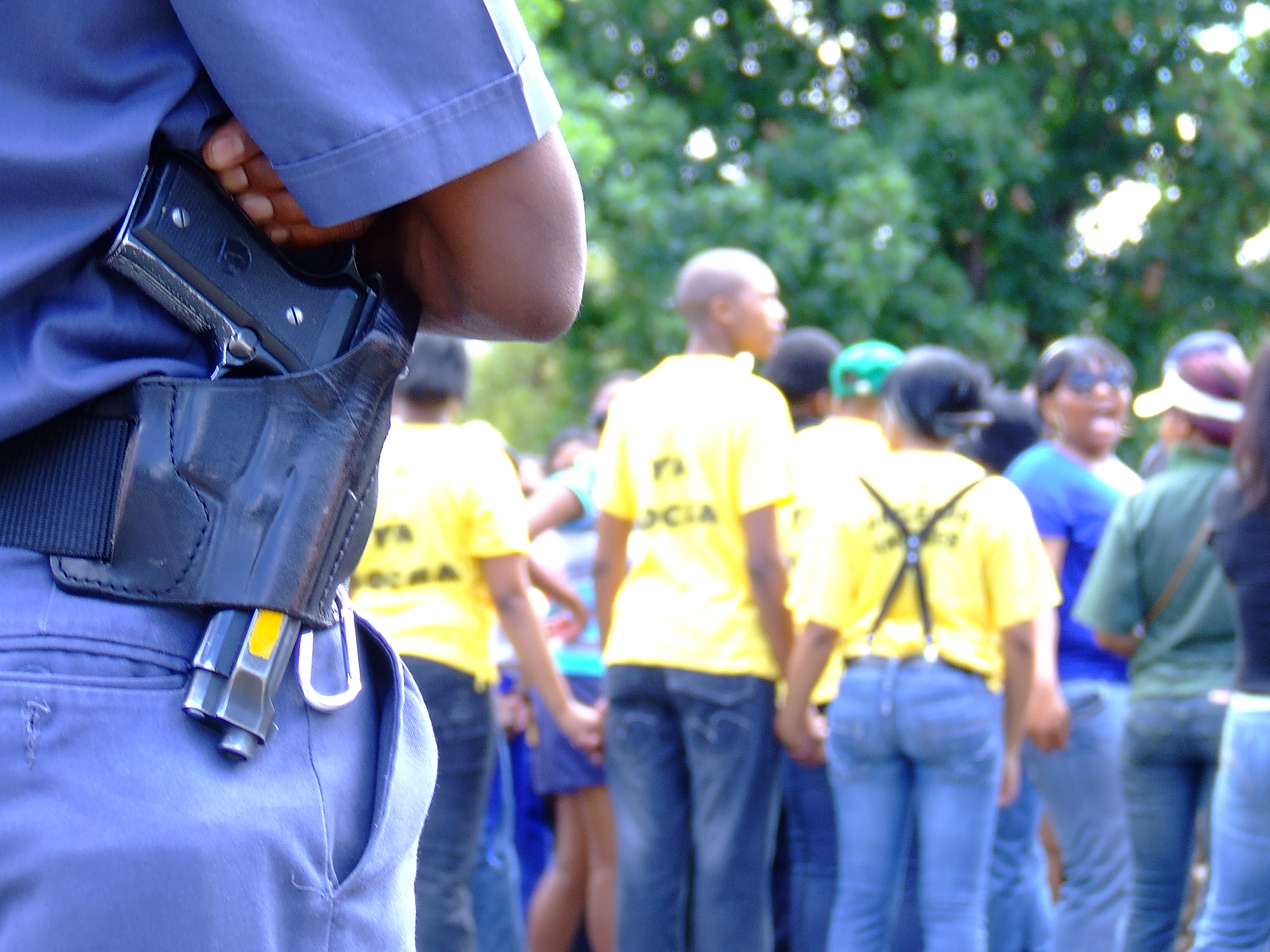
A few of my friends and I started a debate on the impact of war on biodiversity conservation over lunch one afternoon. On the one hand, we argued, civil conflict can improve the state of biodiversity. One such example is the demilitarisation zone between North and South Korea, which is considered one of the most well-preserved involuntary conservation areas in the world. On the other hand, however, conflict can cripple conservation attempts: Saddam Hussein’s draining of the Mesopotamian Marshes in Iraq for strategic purposes during the Gulf War is a typical case in point. Since we are all aspiring scientists, we wondered whether we could aggregate all the known cases where biodiversity was influenced by any form of civil conflict to (a) recognize some general trends and (b) identify the complex socio-ecological dynamics of various forms of civil strife. Continue reading
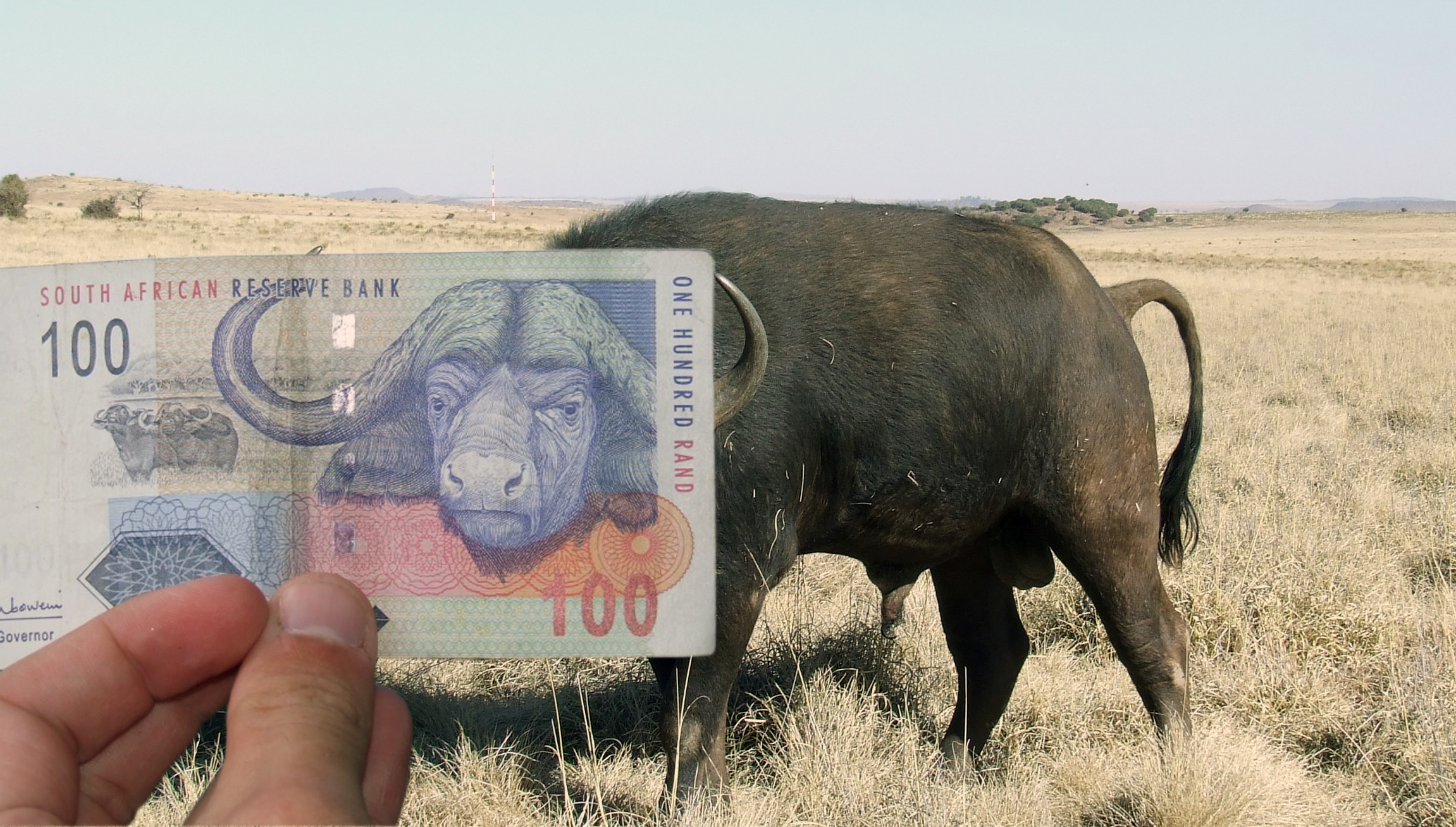 (Please excuse the lame use of Photoshop)
We live in exciting times. Never before has any individual had as much potential to influence the rest of civilisation as we do now. Around the globe, from New Zealand to Peru, millions of people are connected to one another. We innovate, create and share our lives with the world. Technology has flattened the earth and possibly ensured that the only thing separating us from the next global revolution is a girl in rural Bangladesh with a big idea and a fast internet connection.
At the same time, however, we are facing natural crises unlike anything we have seen before. Every day more and more natural habitat is being transformed and species, some yet to be discovered, are going extinct faster than we can imagine. How is this possible? How can a period of terrible destruction overlap with one of endless potential? What is causing this paradox and how can we fix it? Continue reading
 A comment on my post about getting your dream job in conservation pointed out the importance of sharing your dreams and ambitions with like-minded people. I found this simple suggestion incredibly profound. In addition to this, since this blog has been active, I have been asked about its name – The Solitary Ecologist – by multiple people. It turns out that the name of the site is linked to my career dream and this post will explain how. Continue reading
Over at Ecology for a Crowded Planet, Philip Martin wrote a nice summary of a great workshop we both attended a few weeks ago. The workshop was about using new methods to increase the accuracy of expert judgements and was presented by Mark Burgman. Please check out the original post for some context.
In the comments of that post, I made a remark on the potential utility of adapting Burgman’s methods in order to get a more accurate representation of self-reported values when doing sociological studies in conservation biology. I was not as clear as I should have been, so I’ve decided to expand my comment into a more detailed post. Continue reading
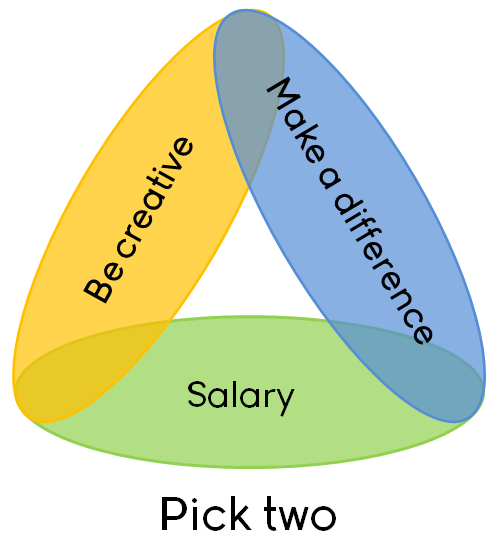
For those of you drawn here by the promise of sound advice on how to land your dream job in conservation, here it is: lower your expectations.
Before I explain this somewhat cynical answer, I must disclose that I am not a career counsellor, nor do I have much personal experience in finding my dream job (I’m still a student). Nevertheless, I do believe that we can all have a fulfilling career and heaps of job satisfaction (eventually) but we, as early career conservation professionals, must acknowledge that we probably won’t get our perfect job immediately. We will have to go out there, build a career and cultivate our own perfect working environment. Continue reading

As scientists we assume that we are objective. We believe that information is unambiguous and that the truth can be found in data. But is this always true? Continue reading
 The Solitary Ecologist